The Art of Texture: How Relief Influences Our Emotions
An exploratory article on the role of material, light, and depth in textured artworks.
In the world of mixed media, texture is not a simple aesthetic detail: it is an emotional language. Relief catches the eye, guides the hand, and creates a sensory connection with the artwork. Whether subtle or bold, texture transforms a flat surface into a territory to explore, where light, material, and intuition engage in dialogue.
1. Why Does Texture Affect Us So Strongly?
Texture acts on us even before we become consciously aware of it. Our brain instinctively associates each type of relief with a sensation: softness, roughness, depth, tension…
- Smooth surface — suggests fluidity, calm, and clarity.
- Granular texture — suggests energy, movement, and spontaneity.
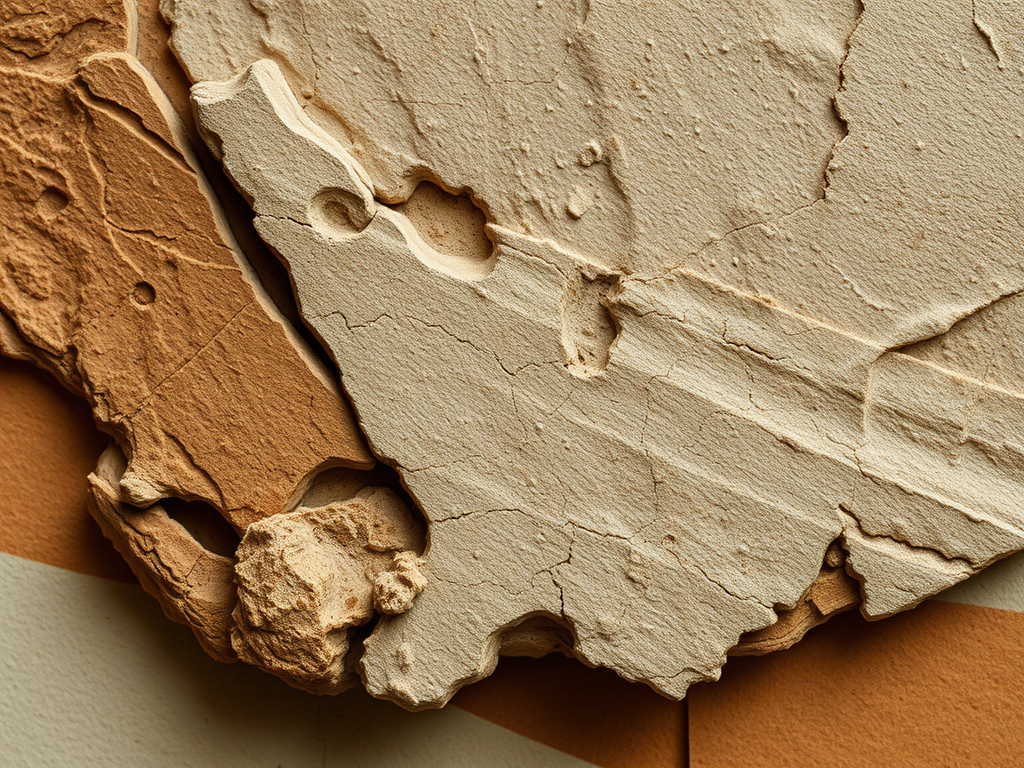
- Pronounced relief — creates an immediate, almost sculptural visual impact.
2. The Role of Light: When Matter Comes to Life
Light is the natural ally of relief. On a textured surface, it does more than simply illuminate: it sculpts, transforms, and animates.
- Hollows take on soft shadows.
- Edges catch bright highlights.
- Depth shifts depending on the time of day.
With resin, this effect is amplified: a transparent or lightly tinted layer can create a sense of inner movement, as if the piece were breathing.
3. Texture and Emotions: A Universal Language
A textured artwork speaks to us because it engages the body as much as the mind. Texture can evoke:
- Calm — through soft, flowing patterns.
- Excitement — through dynamic, contrasting reliefs.
- Curiosity — through mysterious or organic materials.
- Contemplation — through depth interacting with resin like an inner window.
4. How Texture Enriches a Mixed Media Artwork
In mixed media, texture interacts with pigments, color, inks, resin, and natural inserts. It makes it possible to:
- Add volume to color — mica, metallic leaf, and acrylic take on new dimension.
- Create visual rhythm — relief guides the eye and establishes a visual reading.
- Contrast the fluidity of resin — a subtle play between control and randomness.
- Add a sculptural dimension — the artwork becomes an object.
5. Relief as Personal Expression
Each artist develops a textured signature: organic forms, geometric lines, abstract patterns, raw textures, or polished surfaces. Texture often reveals what the artist does not say outright: their gesture, their relationship to time, and their search for harmony.Conclusion: In a work that blends resin and texture, relief is not merely decorative: it is emotional. It transforms an artwork into an experience, draws in the light, invites close observation, and encourages feeling and interpretation. Texture is, ultimately, a universal language — that of matter telling a story.