Publié le

Minimalist Art: Principles, Techniques and Practical Application

minimalist

Minimalism in art favors essentials: pared-down forms, restrained color, and formal clarity. This article outlines its history, core principles and offers practical advice for contemporary artists.

What is minimalist art?

Minimalist art is a mid-20th century movement that seeks to reduce the artwork to fundamental elements — shape, surface, color and material. The aim is to remove anecdote and narrative to create a pure visual and spatial experience.

Core principles

  • Reduction: remove excess to keep only what is necessary.
  • Geometry & repetition: simple forms and modular repetition.
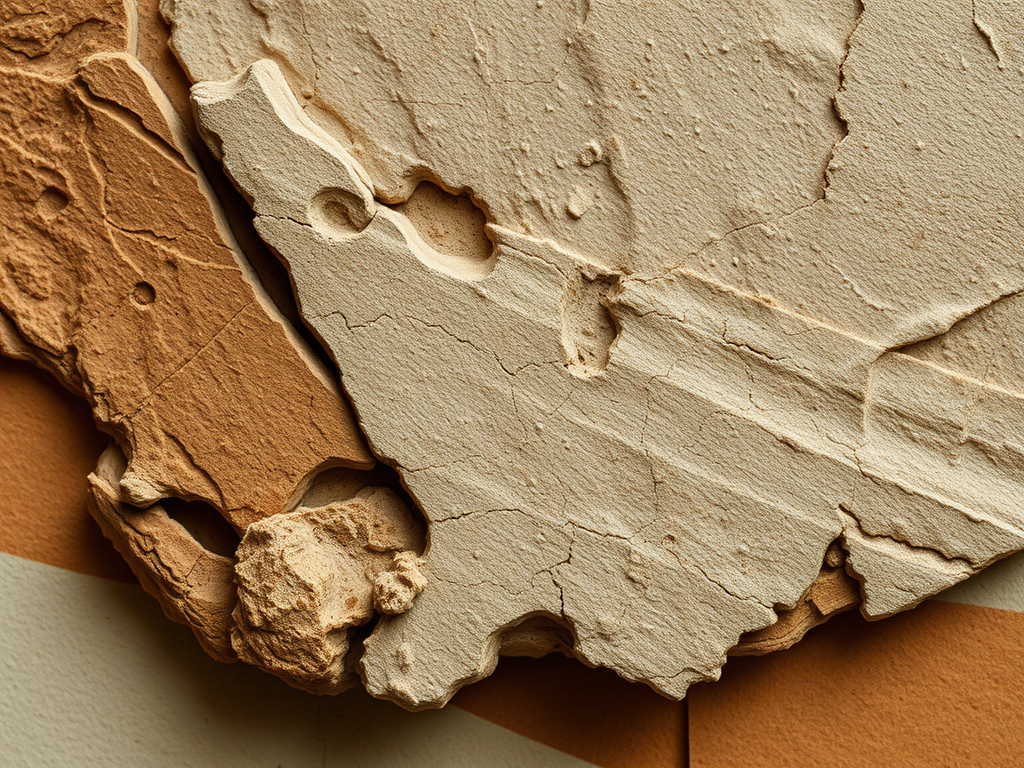
  • Materiality: emphasis on texture and raw materials.
  • Neutral palettes: subdued tones (black, white, gray, natural hues) or limited pure color use.
  • Scale & space: interaction between the object and surrounding space is essential.

Origins and influence

Minimalism emerged in the 1960s in the United States as a reaction to abstract expressionism. Artists such as Donald Judd, Agnes Martin and Carl Andre established its foundations: unemotional objects, industrial fabrication and an absence of pictorial illusion. The movement also drew on Eastern philosophies and conceptual practices emphasizing simplification.

Materials and common techniques

Material choice conveys meaning in minimalist work. Examples:

  • Metal, aluminum, steel — industrial surfaces, crisp edges.
  • Raw wood — material warmth while retaining simplicity.
  • Monochrome canvas — focus on surface and paint density.
  • Modular elements — repetitive compositions and series.
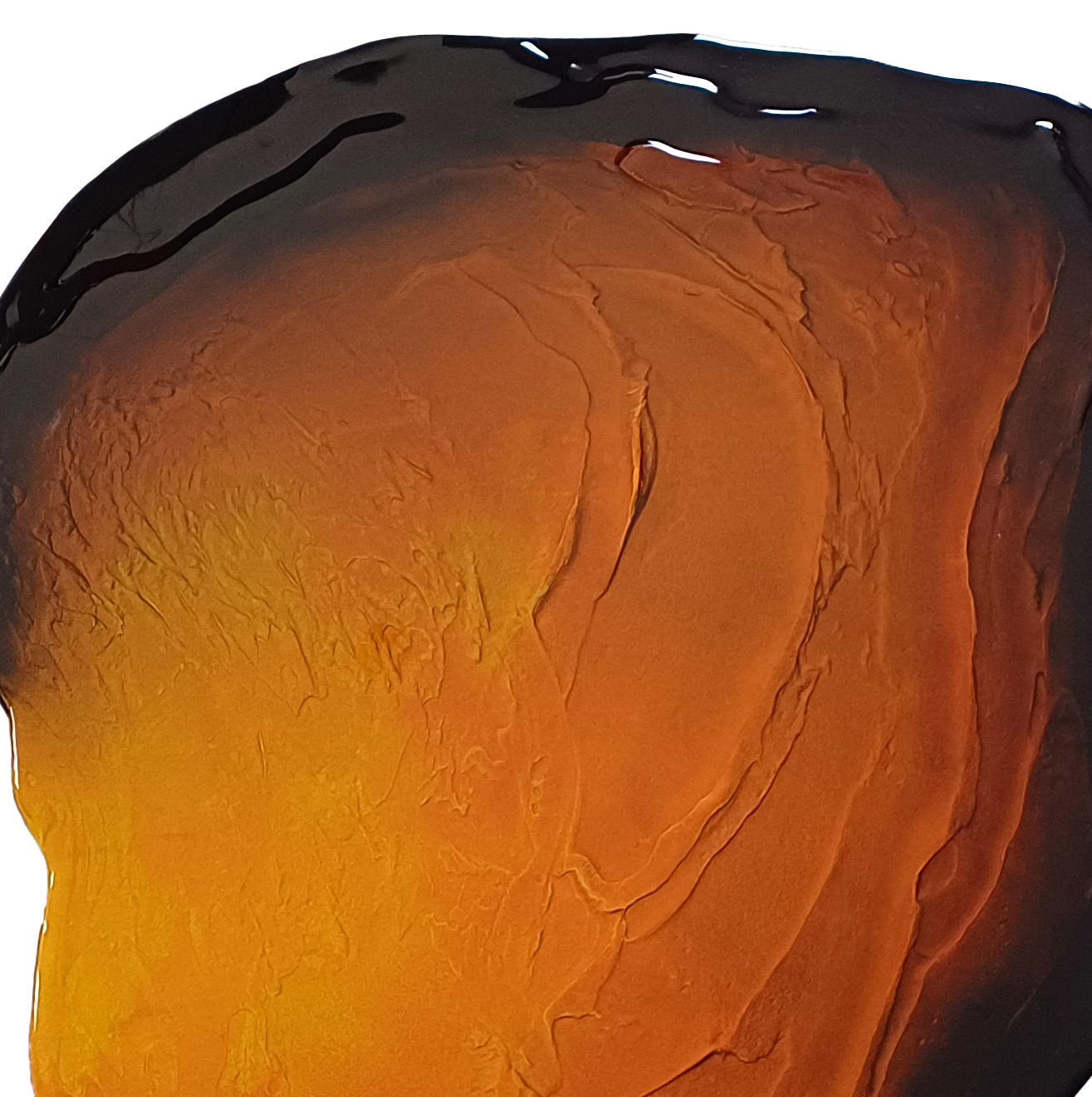
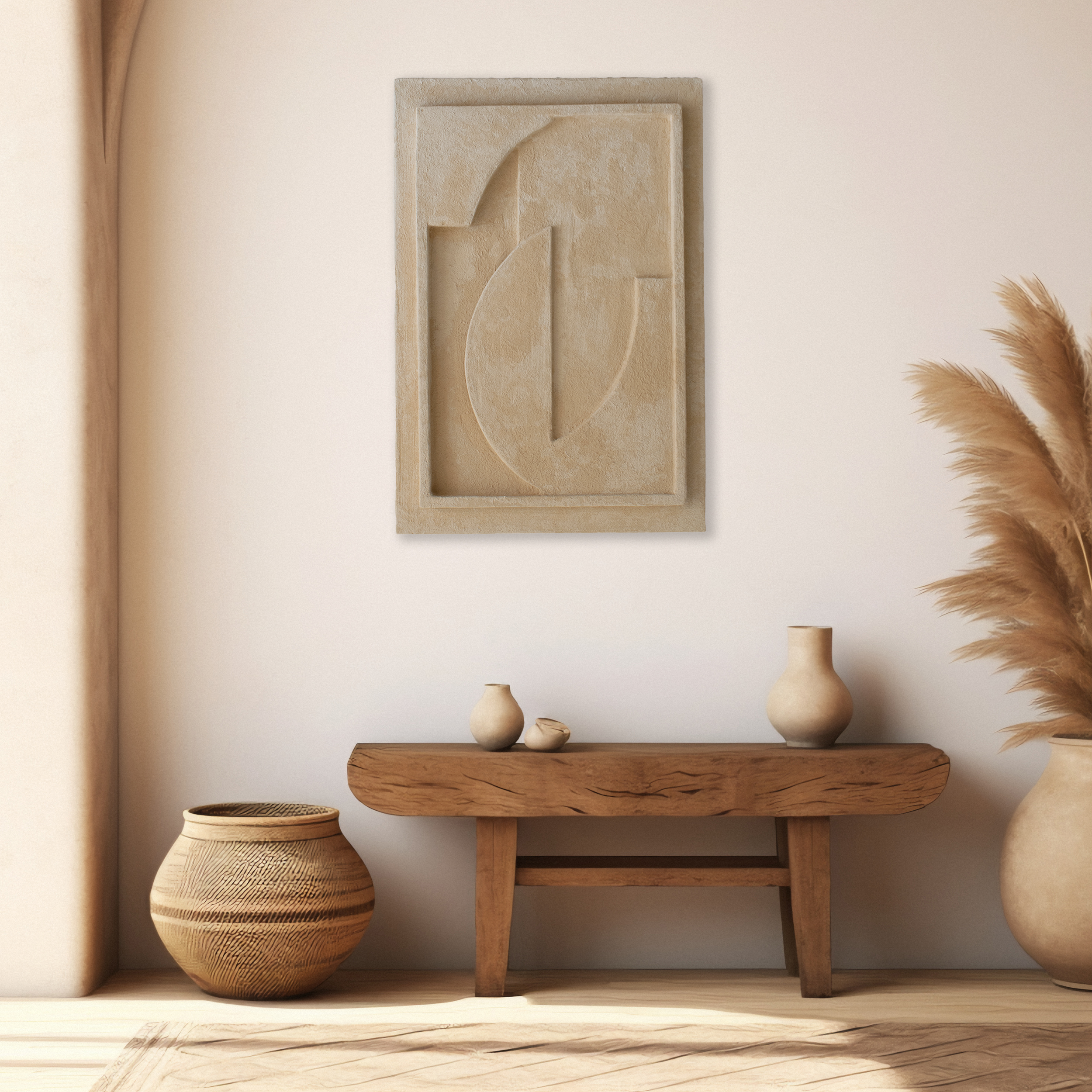
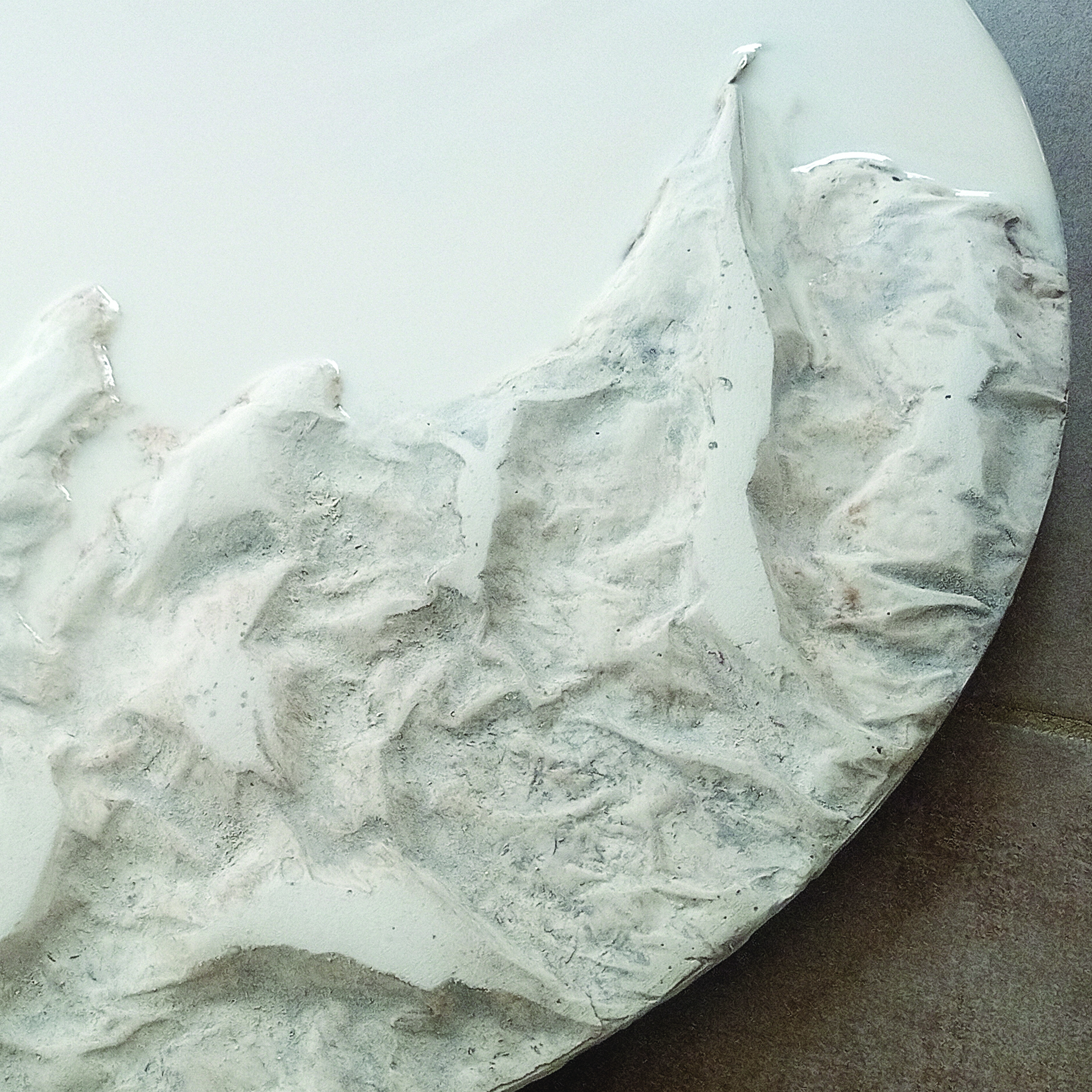
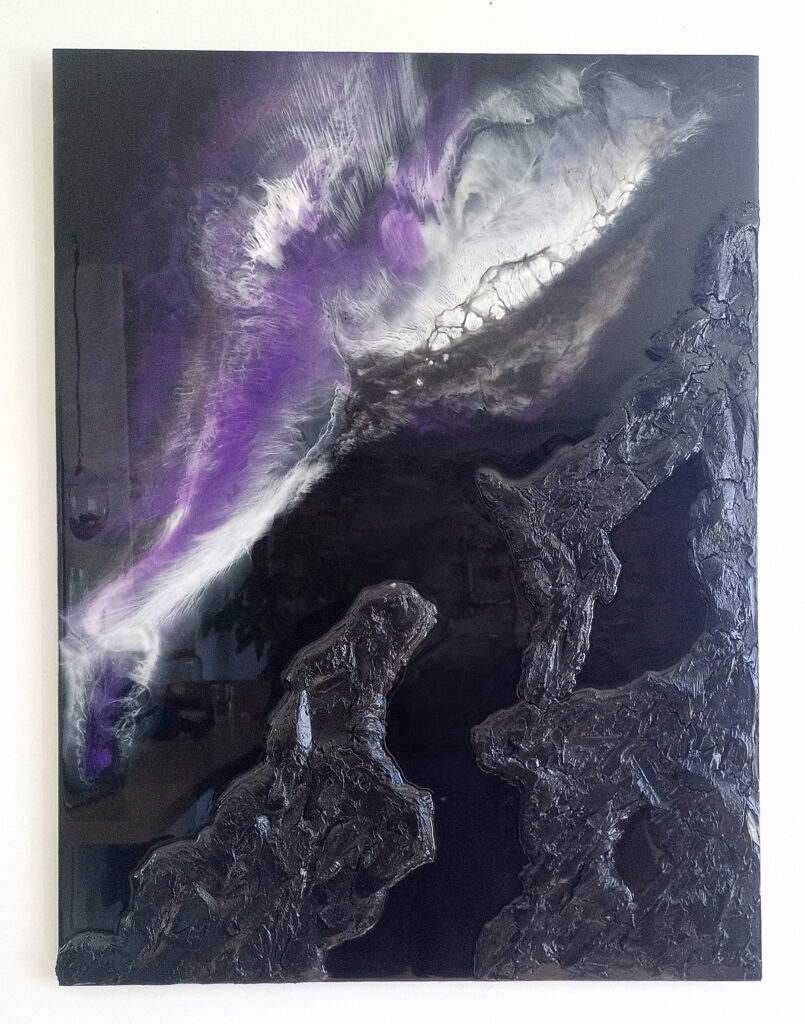
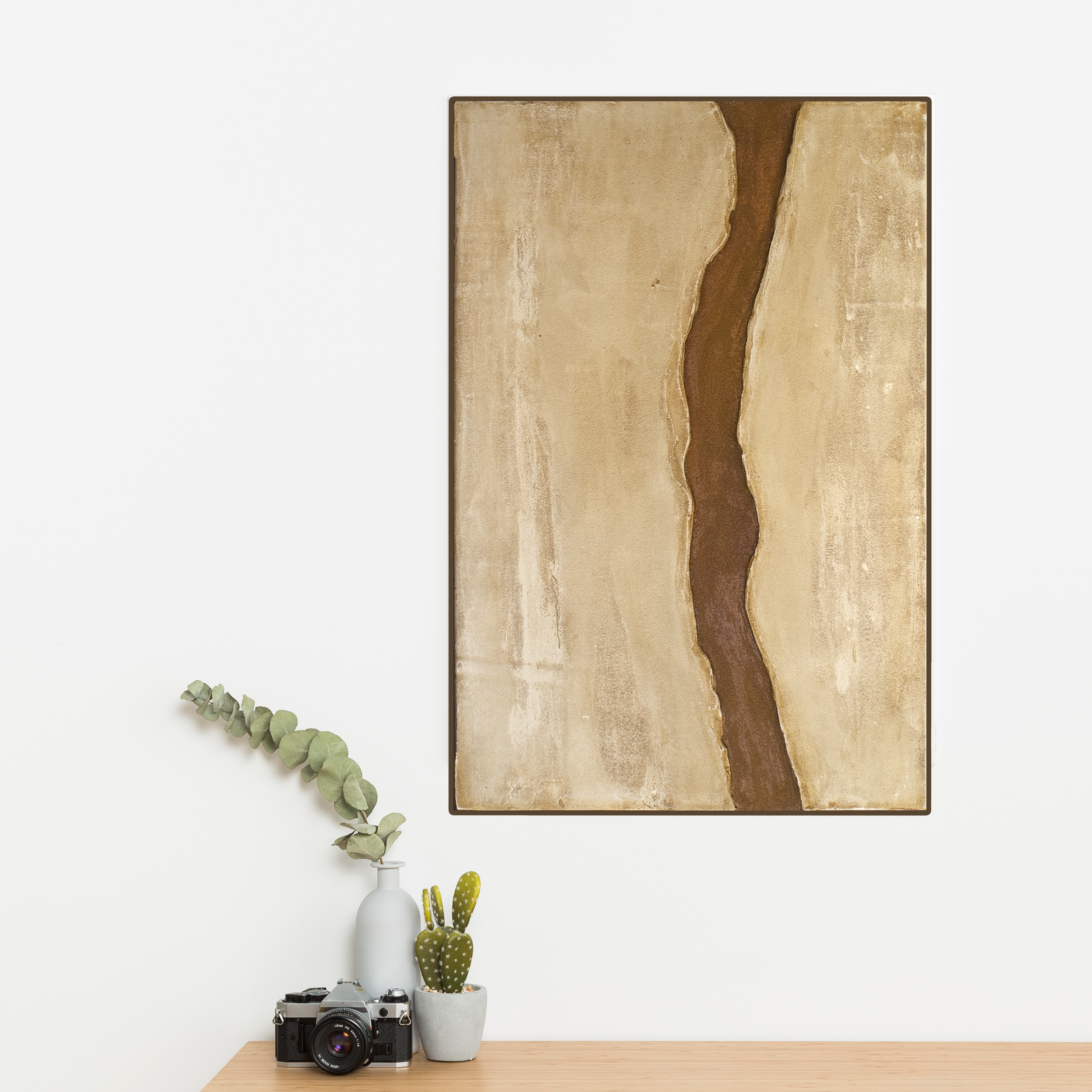
Minimalist artwork: aligned monochrome panels
Example: aligned monochrome panels highlighting negative space.

How to apply minimalism to your practice

  1. Set a constraint. Limit your palette to 1–3 colors or work with a single module only.
  2. Experiment with scale. Try the same composition at different sizes to measure spatial effect.
  3. Remove narrative. Avoid figurative detail; favor immediate, formal reading.
  4. Polish finishes. Edges and material joins reinforce the impression of discipline.
  5. Curate the display. Light, spacing and viewing distance heavily influence reception.

Why minimalism still resonates

Minimalism remains relevant because it answers a contemporary need for visual clarity. In an oversaturated image environment, simplicity creates presence — a quality valued by collectors, designers and brands.

Frequently asked questions

Is minimalism cold?
Not necessarily: materiality and scale can convey warmth and emotion without narrative.
Must I follow strict rules?
Constraints help, but coherence and intent matter more than formal rules.
Publié le

Art minimaliste : principes, techniques et application pratique

minimalist art

Le minimalisme en art privilégie l’essentiel : réduction des formes, neutralité chromatique et rigueur formelle. Cet article explique son histoire, ses principes esthétiques et propose des conseils pratiques pour les créateurs contemporains.

Qu’est-ce que l’art minimaliste ?

L’art minimaliste est un courant apparu au milieu du XXᵉ siècle qui cherche à réduire l’œuvre à ses éléments fondamentaux — forme, surface, couleur, matériau. L’intention est de débarrasser la création de l’anecdote et de la narration pour laisser apparaître une expérience visuelle et spatiale pure.

Principes clés

  • Réduction : suppression du superflu pour ne garder que l’essentiel.
  • Géométrie et répétition : formes simples et modules répétés.
  • Matérialité : mise en valeur de la texture et du matériau brut.
  • Neutralité chromatique : palettes sobres (noir, blanc, gris, tons naturels) ou usage ponctuel de couleur pure.
  • Échelle et espace : l’interaction entre l’objet et l’espace environnant est primordiale.

Origines et influences

Le minimalisme s’est développé dans les années 1960 aux États-Unis, en réaction à l’expressionnisme abstrait. Des artistes comme Donald Judd, Agnes Martin ou Carl Andre ont posé les bases : œuvres impassibles, fabrication industrielle et absence d’illusion picturale. Le mouvement a également puisé dans des philosophies orientales et des pratiques conceptuelles visant à simplifier l’expérience esthétique.

Matériaux et techniques courants

Le choix du matériau est un vecteur de sens dans l’art minimaliste. Exemples :

  • Métal, aluminium, acier — surfaces industrielles, bords nets.
  • Bois brut — chaleur matérielle tout en préservant la simplicité.
  • Toile monochrome — travail sur la texture et la densité de la matière picturale.
  • Éléments modulaires — compositions répétitives et séries.
Oeuvre minimaliste : panneaux monochromes alignés
Exemple : panneaux monochromes alignés, mise en valeur de l’espace négatif.

Comment intégrer le minimalisme dans votre pratique

  1. Définissez une contrainte. Limitez la palette à 1–3 couleurs, ou ne travaillez que sur un module unique.
  2. Travaillez l’échelle. Testez la même composition à différentes tailles pour mesurer l’impact spatial.
  3. Éliminez la narration. Évitez les détails figuratifs, privilégiez une lecture immédiate.]
  4. Soignez les finitions : les bords, la jonction des matériaux et la régularité renforcent l’impression de rigueur.
  5. Exposez avec conscience : espace, lumière et recul influencent fortement la réception d’une œuvre minimaliste.

Pourquoi le minimalisme parle aujourd’hui

Le minimalisme continue d’inspirer parce qu’il répond au besoin contemporain de lisibilité visuelle. Dans un monde saturé d’images, la simplicité crée de la présence — une qualité recherchée par collectionneurs, designers et marques.

Questions fréquentes

Le minimalisme est-il froid ?
Pas nécessairement : la matérialité et l’échelle peuvent transmettre chaleur et émotion sans narration.
Faut-il suivre des règles strictes ?
Les contraintes aident, mais la cohérence et l’intention sont plus importantes que les règles formelles.
Publié le

Tax relief for purchases of artworks by living artists: practical guide for companies

Tax relief for purchases of artworks by living artists: practical guide for companies

Overview of the tax mechanism, eligibility conditions, limits, accounting treatment and practical examples to claim the special deduction under French tax law.

Principle of the scheme

In France, businesses that purchase original artworks created by living artists may be entitled to a special tax deduction. The acquisition cost can be deducted from taxable profit, spread over five years, subject to conditions set by the tax code.

Eligibility conditions

  • The work must be an original artwork by a living artist.
  • The acquisition must be recorded as a fixed asset on the company balance sheet.
  • The artwork should be displayed in a location accessible to the public or company employees (e.g., reception areas, exhibition spaces).
  • All purchases must comply with the statutory timeframe and supporting documentation must be kept.

Limits and calculation

The deduction is applied over five years in equal portions. A ceiling applies — commonly expressed as 0.5% of annual turnover or an alternative monetary ceiling. The company chooses the ceiling that is most favorable.

Accounting treatment

Record the work as an asset and apply the special fiscal deduction spread over five fiscal years. Keep purchase invoices, certificates of authenticity and evidence of public or employee display in case of audit.

Advantages & risks

Advantages

  • Reduction of taxable profit through the special deduction.
  • Support for contemporary artists and enhancement of corporate image.

Risks

  • Obligations of preservation and display; audits may require proof.
  • Artworks are illiquid assets and market value is not guaranteed.
  • The scheme is time-limited — check the legal validity before purchase.

Example

If a company has a net turnover of €200,000 and buys an artwork for €10,000, 0.5% of turnover equals €200,000 × 0.005 = €1,000. The deduction of €10,000 would normally be spread over five years (€2,000 per year), subject to the applicable ceilings and options.

Conclusion & advice

The special deduction for purchases of artworks by living artists can be an effective combination of tax planning and cultural patronage. Before proceeding, verify current legal terms, consult your accountant and keep thorough documentation.

Last updated: informational content — verify the applicable rules with your tax advisor prior to any purchase.